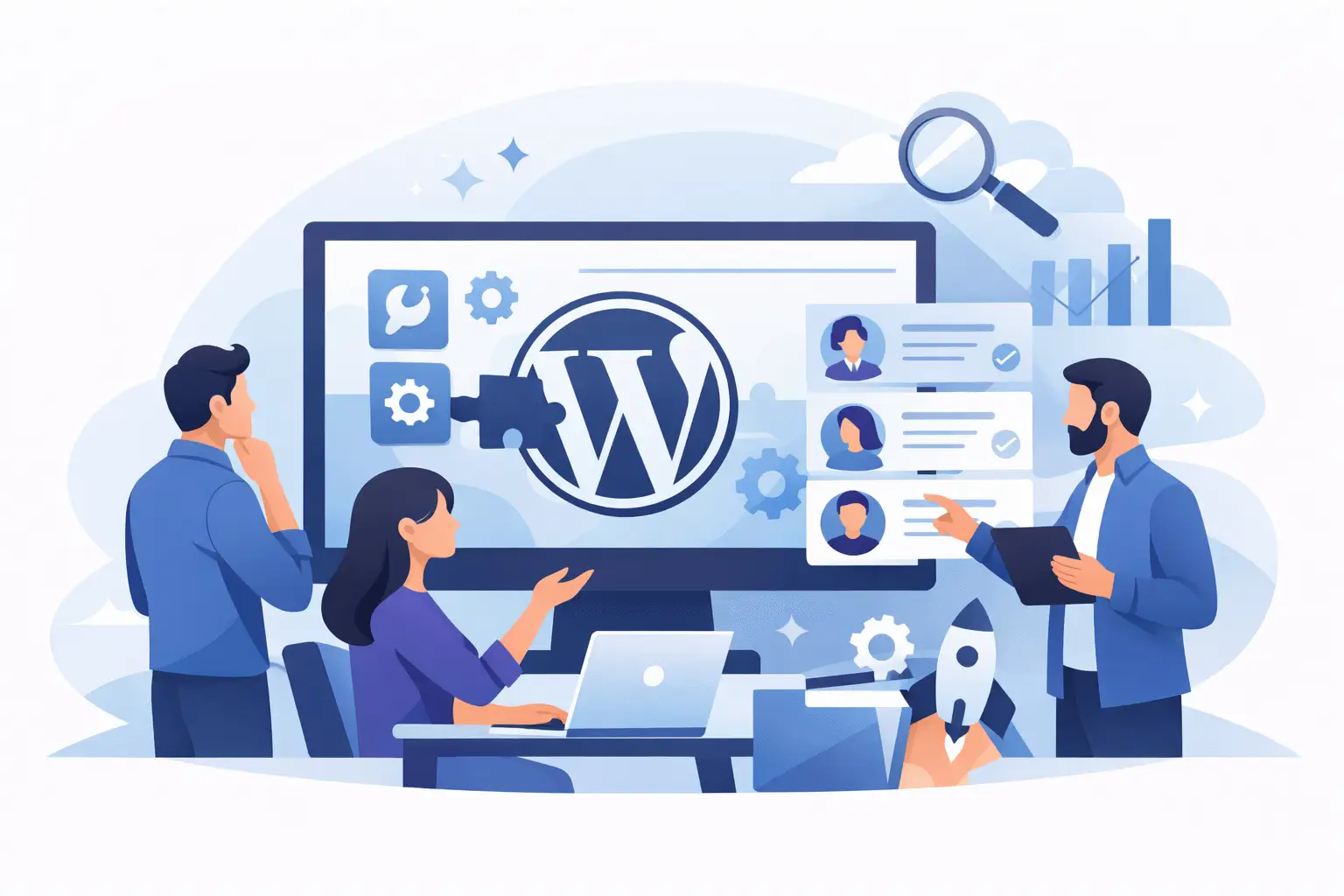
Most businesses start looking for a WordPress plugin development company after something has already gone wrong. A critical plugin gets abandoned. A checkout flow breaks after an update. A booking workflow almost fits, but not enough to run the business without manual patchwork. That is usually the moment when “close enough” stops being cheap. Custom WordPress plugin development is the answer here.
If your site drives sales, registrations, bookings, rentals, or internal operations, plugin development is not a side issue. It is part of how the business runs. The company you hire needs to understand that from day one.
What a WordPress plugin development company should actually do
A good custom WordPress plugin development partner does more than write code that technically works. They should define the problem clearly, build only what is needed, test it in realistic conditions, and leave you with software that can survive normal WordPress life – theme changes, plugin conflicts, WooCommerce updates, PHP version changes, and admin users doing unexpected things.
That sounds obvious, but a lot of plugin work still gets treated like a quick freelance task. The result is usually the same: a plugin that solves one immediate issue while creating three more. You end up with hardcoded logic, no upgrade path, poor admin UX, and a dependency on the original developer to touch anything safely.
A real WordPress plugin development company should be able to handle architecture, admin interface design, third-party integrations, data structure decisions, performance concerns, and long-term maintainability. If they only talk about output, not lifecycle, that is a warning sign.

Why businesses outgrow off-the-shelf plugins
There is nothing wrong with commercial plugins when they fit. In many cases, the fastest route is to use a proven product and configure it properly. The problem starts when your workflow is specific enough that general-purpose software becomes a workaround machine.
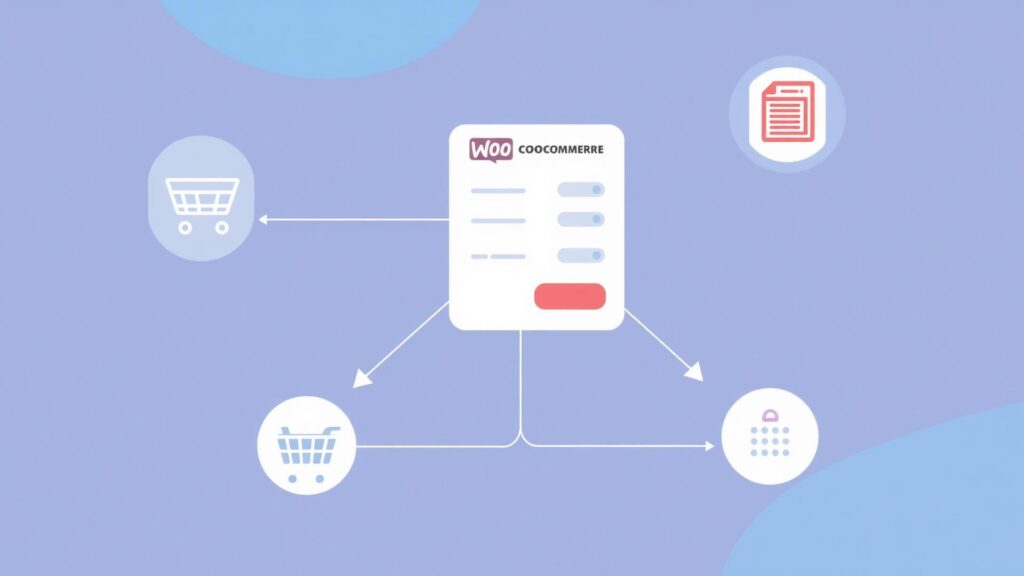
This happens a lot in WooCommerce. A store needs custom booking rules, a tailored checkout sequence, webinar registration tied to order status, rental inventory synced with an external platform, or pricing logic that does not exist in standard extensions. You can often stack three or four plugins to approximate the result, but approximation is expensive over time.
Every extra plugin adds UI clutter, update risk, support gaps, and logic you do not control. If revenue depends on the feature, custom development can be the simpler option, even if the upfront cost is higher.
That does not mean every edge case needs a custom build. Sometimes the better move is a small extension on top of an existing plugin rather than a full replacement. Sometimes the right answer is product selection and implementation, not new code. The company you hire should be willing to say that.
How to evaluate a WordPress plugin development company
Start with evidence that they build for production, not just for demos. A polished sales pitch means very little if the team has not dealt with real stores, real client deadlines, and real update cycles.
Look for signs that their products or custom WordPress plugin development samples come from actual use cases. Software built for a live client environment usually has a different quality to it. The edge cases are uglier. The admin screens are more practical. The code is forced to handle failure, not just happy paths.
Support matters too, but not in the generic “we offer support” sense. Ask who answers technical questions. If support is routed through a generic front line with no developer context, complex plugin issues can drag on for weeks. Direct access to people who understand the build is worth more than a large support desk reading from templates.
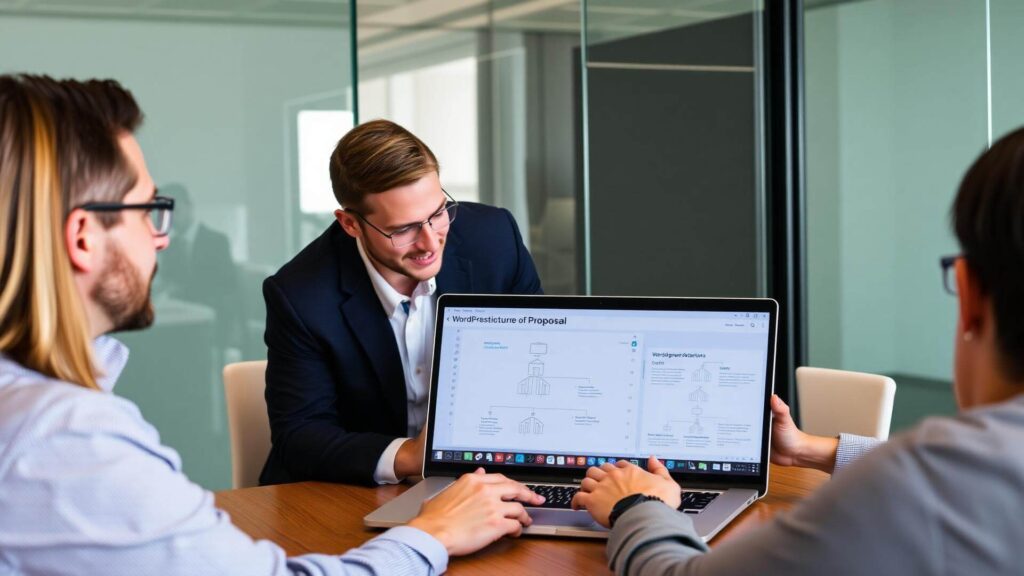
You should also pay attention to how they talk about scope and their custom WordPress plugin development case studies. Good teams are precise. They can explain what belongs inside the plugin, what should stay in theme code, what should be handled by configuration, and where future changes are likely. Vague confidence is cheap. Clear boundaries are harder, and more useful.
The trade-offs between custom builds and packaged plugins
A packaged plugin is usually faster to deploy and cheaper to buy. If the use case is common and the plugin is maintained properly, that is often the smart decision. It also spreads development cost across many users, which keeps pricing reasonable.
Custom plugin development gives you control. You can design the workflow around the business instead of forcing the business to adapt to software assumptions. You can remove dead weight, keep the admin experience tighter, and avoid paying the complexity tax of a plugin built to satisfy every possible customer.
The trade-off is responsibility. Custom code needs a plan for future updates, compatibility checks, and support ownership. If you hire a team that builds quickly but disappears after launch, custom work can become fragile fast.
That is why the best partner is often a company that does both: sells production-tested products and also builds custom solutions. That mix tends to produce better judgment. They know when a problem deserves a reusable plugin, when it needs a tailored extension, and when the simplest answer is to avoid writing more code.
Red flags you should not ignore
The first red flag is bloat. If the proposed solution includes a giant settings panel for a small problem, you are probably paying for future confusion. Good plugin development is often narrow by design. Solve one thing, solve it well.
The second is weak ownership. If the company cannot explain how updates will be handled, who maintains the code, or what happens when WordPress changes something upstream, you are taking on hidden risk.
The third is platform ignorance. WordPress and WooCommerce have their own patterns, hooks, data models, and admin expectations. A general software team can be excellent and still build poor WordPress plugins if they ignore how the platform actually works.
The fourth is marketplace thinking. Some vendors optimize for volume, not fit. They sell broad feature sets, low-touch support, and licensing structures designed to keep you boxed in. That may work for simple sites. It is a bad fit for businesses that need dependable operations and room to adapt.
What good plugin development looks like in practice
It starts with a narrow problem definition. Not “improve checkout,” but “reduce drop-off by removing unnecessary fields, adding conditional logic, and integrating a specific shipping rule.” Not “support bookings,” but “let customers book fixed-duration appointments with resource limits and admin-side overrides.”
From there, good teams make decisions that protect the site over time. They avoid hijacking core behavior without reason. They keep settings understandable. They document anything that affects operations. They test against realistic plugin stacks, not empty installations.
They also think about handoff. A plugin should not feel like a black box the moment the original developer steps away. The business should know what it does, where key settings live, and what kind of changes are safe.
This is where an agency-backed product shop often has an edge. Teams that build for both their own catalog and client implementations usually care more about maintainability because they will feel the pain themselves later. DesigNationCreations fits that model – products shaped by real delivery, plus the ability to step in when the job is too specific for a one-size-fits-all plugin.
When hiring a WordPress plugin development company makes the most sense
If your site supports revenue or critical operations, reliability matters more than novelty. Hiring a specialist makes sense when a broken process costs money, when plugin conflicts are becoming part of normal operations, or when your team is spending too much time stitching together tools that were never meant to work closely.
It also makes sense when speed matters for a launch but you still need the solution done properly. The fastest route is not always the cheapest plugin on the market. Sometimes it is a focused custom build that removes weeks of workaround logic and future cleanup.
For agencies, a strong development partner can also extend delivery capacity without sacrificing standards. Instead of forcing a client into a bad plugin fit or taking on risky custom work internally, you can bring in a team that already knows WordPress plugin architecture and WooCommerce edge cases.
The right company should leave you with fewer moving parts, not more. Better software is not about adding options. It is about reducing friction where the business actually feels it.
When you are evaluating partners, ask a simple question: will this team still look like a good decision six months after launch, when updates roll in, edge cases appear, and the feature becomes part of daily operations? That question tends to cut through marketing fast.